$17.30

 Inhaled Corticosteroid (Glucocorticosteroid)

Product Information

Budecort Inhaler belongs to the class of medicines called glucocorticosteroids, used to relieve and prevent symptoms of asthma and chronic obstructive pulmonary disease (COPD).

Asthma is a chronic condition in which the airways narrow, swell, and produce excess mucus, leading to breathing difficulty. COPD is a group of lung diseases that cause blocked airflow from the lungs.

Budecort Inhaler works by blocking certain chemical messengers involved in inflammation. This reduces irritation and swelling in the airways, making breathing easier.

Why is this Medication Prescribed?

  • To control and prevent symptoms of asthma.
  • To manage COPD and other chronic airway diseases.

Uses

  • Asthma (wheezing, coughing, chest tightness).
  • COPD (chronic airflow obstruction, shortness of breath).
  • Allergic rhinitis (sneezing, itchy/watery eyes, runny nose).

Benefits

  • Decreases airway inflammation and swelling.
  • Improves breathing capacity and reduces asthma attacks.
  • Helps manage COPD symptoms and prevents flare-ups.
  • Relieves associated symptoms such as chest tightness, wheezing, and cough.

How Should this Medicine be Used?

General Instructions

  • Use only as prescribed by your doctor.
  • Take it at the same time daily to maintain consistent effects.
  • Do not stop using suddenly without medical advice.

Methods of Administration

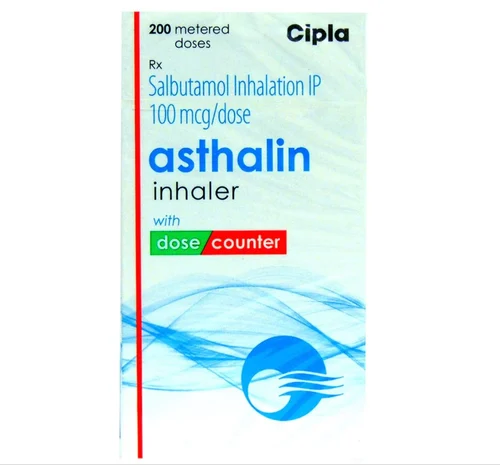
  • Inhaler/Transhaler: Shake well, press down once to release medicine, inhale deeply, and hold breath for 10 seconds. Repeat as advised.
  • Rotacaps/Transcaps: Place capsule in the device, twist until you hear a click, inhale deeply, and hold breath.
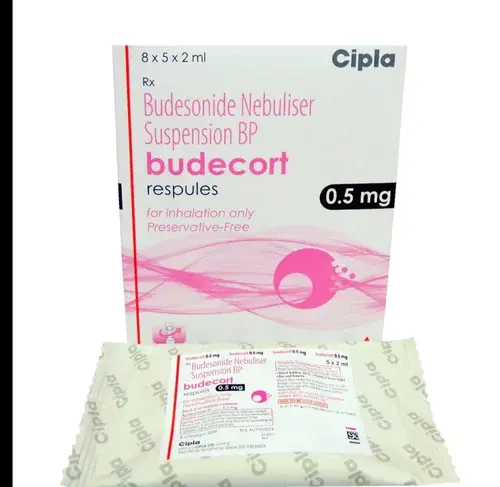
  • Respules/Transpules: Twist open container, pour solution into nebulizer, inhale the fine mist through the mouthpiece.
  • Powder for inhalation: Use via inhaler device as directed.
  • Suspension for inhalation: Use with a jet nebulizer that converts liquid into a mist to be inhaled.

Important:

  • Rinse mouth with water after use to prevent oral infections (thrush).
  • Your doctor will determine which form and dose are appropriate.

Other Uses

None specified.

Special Precautions

  • Use in children only with a doctor’s advice.
  • Inform your doctor if you are:
    • Pregnant, planning pregnancy, or breastfeeding.
    • Taking any other medications.
    • Suffering from infections, liver problems, or immune conditions.
  • May cause dizziness in some cases. Avoid driving unless you feel alert.
  • Alcohol interaction is unknown; consult your doctor.

Possible Side Effects

Common:

  • Headache
  • Indigestion or abdominal pain
  • Nausea, bloating, constipation, or gas
  • Vomiting
  • Sore throat or stuffy nose
  • Weakness or tiredness

Serious (seek medical help):

  • Worsening asthma or breathing difficulty
  • Signs of severe allergic reaction (rash, swelling, difficulty breathing)
  • Persistent sore throat or oral infections

Storage & Disposal

  • Store in a cool, dry place, away from sunlight.
  • Keep out of reach of children.
  • Do not puncture or expose inhaler canisters to high heat.
  • Dispose of empty devices responsibly.

Emergency Guidance

  • Use your rescue inhaler if sudden asthma symptoms occur.
  • Seek emergency help if:
    • Rescue inhaler does not improve symptoms.
    • You develop severe difficulty breathing or chest tightness.
    • You experience a serious allergic reaction.